 While it is true the Prohibition era was dominated by men, the truth is, there were several women, some famous and some infamous, some on the side of the law and some outside the law, that played very prominent roles. This is one of them.
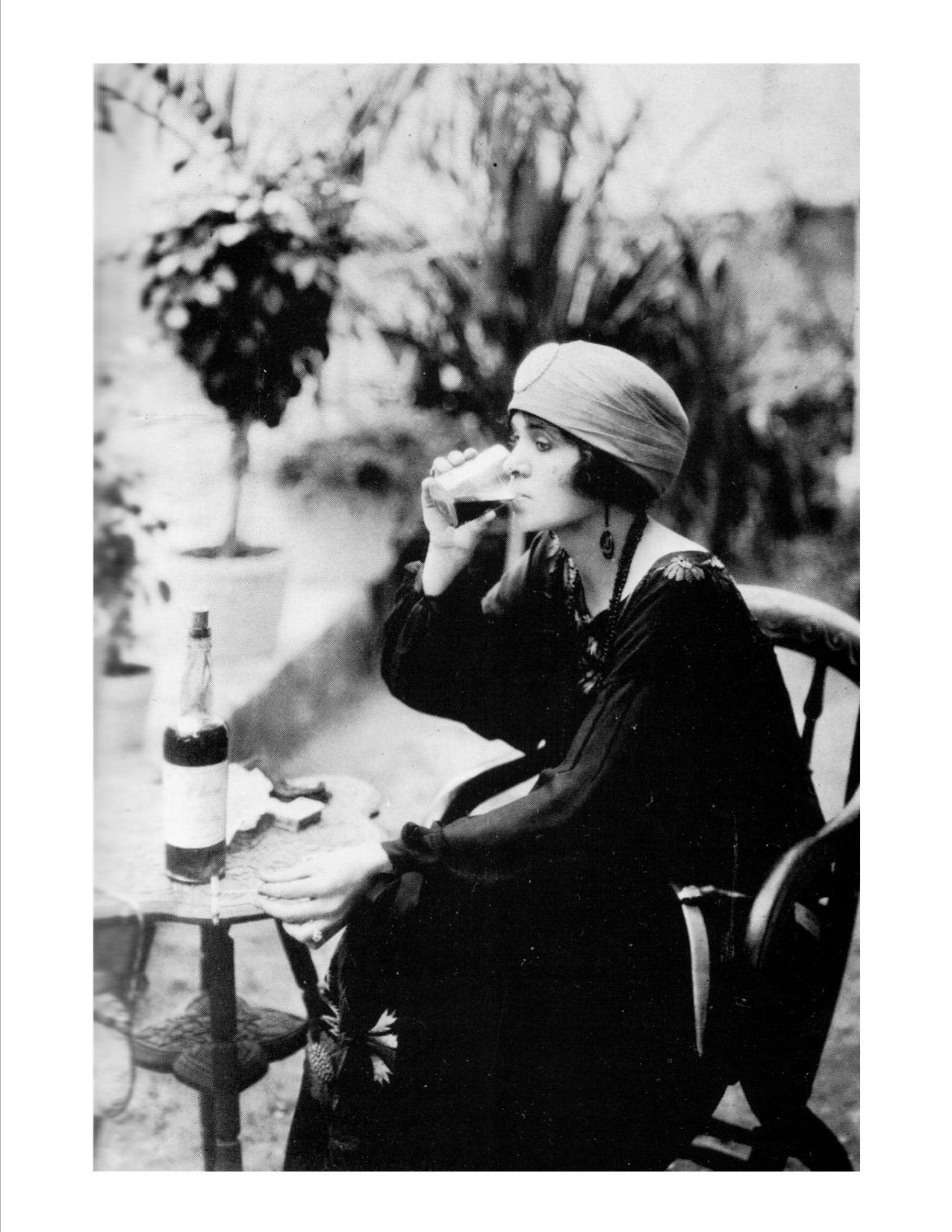
Another fascinating woman of the Prohibition era was Gertrude Lythgoe, also known as Grace Lythgoe.
Gertrude Lythgoe entered the world in Bowling Green, Ohio as the tenth child of an English father and Scottish mother. Yet her exotic appearance allowed her to pass for American Indian, Russian, French or Spanish. When, as an adult, she was hailed as a look alike for Queen Cleopatra she was given the nickname “Cleo.”
She became orphaned when her mother died and her father was unable to care for all the children, yet she loved school and had a quick mind. This would prove an asset in the occupation she would eventually find herself. Rescued by an aunt, she was later reunited with her father.
As a young woman she worked in New York and California as a stenographer but later came under the employ of a London liquor exporter. With the passing of Prohibition, her employer realized a opportunity existed to supply liquor to the U.S. through the Bahamas.
Needing a savvy businessperson to oversee their affairs, Lythgoe was tapped for the assignment. Traveling to Nassau, she set up the company’s wholesale liquor business on Market Street, initiated sales transactions with potential buyers and oversaw the shipments.
Reporter Wigley described her as “truly a wonderful personality. A woman of cultivated tastes, who can talk on books and who travels with the best music in her trunks, and shows such artistic taste in dress . . .”
She found buyers wary of her gender in the mostly male business but overcame any skepticism with quality of goods, pricing and smarts. Soon, she became a formidable figure in the liquor supplying business, coming to be known as “The Bahama Queen.”